
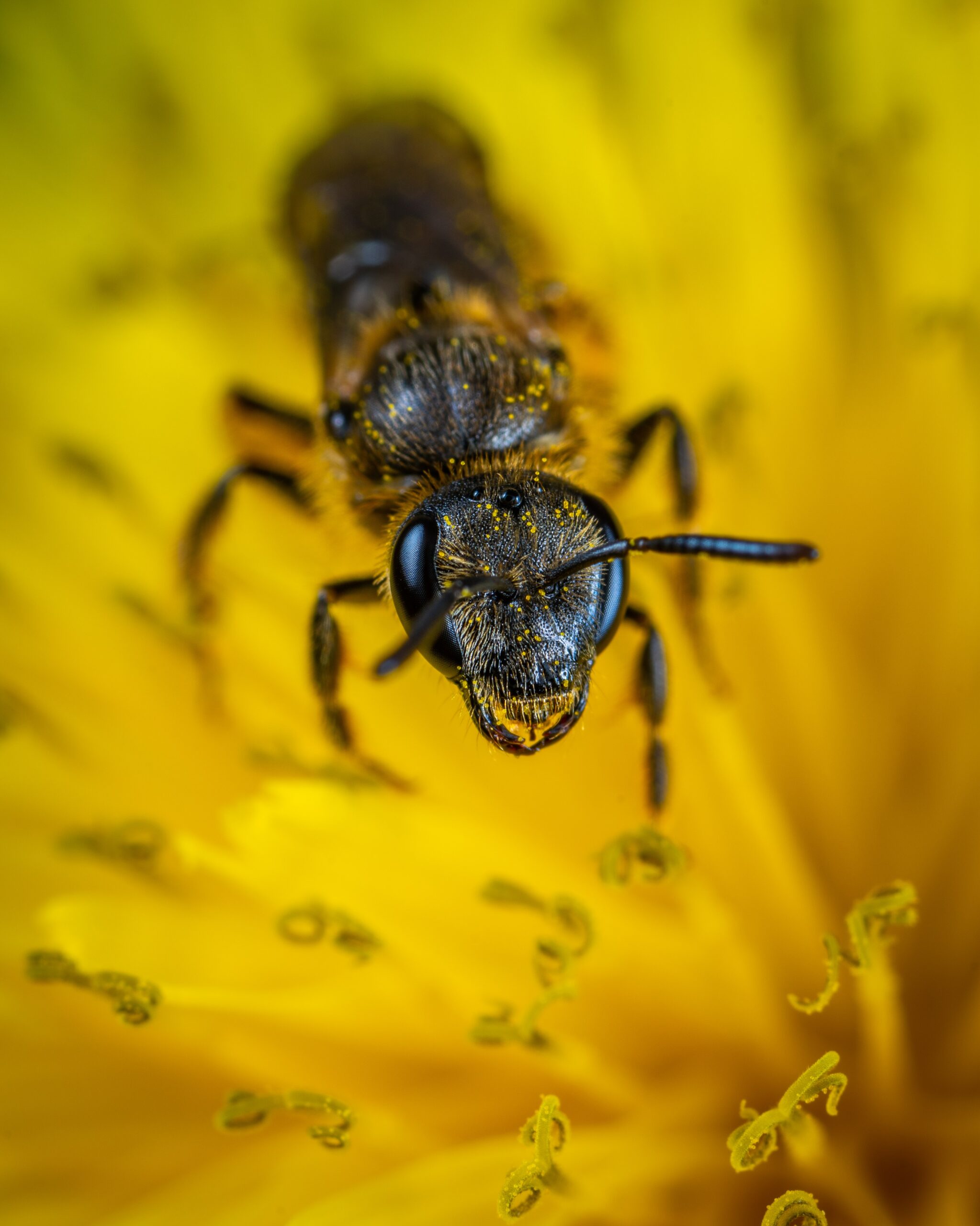
Ants
Description:
Ants are social insects that live in large colonies and are known for their ability to find food and communicate with each other through chemical signals. There are many species of ants, but the most common types that infest homes and businesses include the Argentine ant, the odorous house ant, and the carpenter ant.
Identification:
Ants are social insects that live in large colonies and are known for their ability to find food and communicate with each other through chemical signals. There are many species of ants, but the most common types that infest homes and businesses include the Argentine ant, the odorous house ant, and the carpenter ant.
Habitat and Behavior:
Ants are attracted to sources of food and water and can be found in kitchens, pantries, and other areas where food is stored or prepared. They can enter buildings through small cracks and gaps, and will often establish their nests in dark, secluded areas such as wall voids, under floors, and in soil. Ants are highly organized and work together to gather food, care for their young, and defend their colony from predators.
Dangers and Risks:
While ants are generally considered to be a nuisance pest, some species can cause damage to property and even pose health risks. Carpenter ants, for example, can weaken wooden structures by tunneling through the wood, while fire ants can deliver painful stings that can cause allergic reactions in some people.
Prevention and Treatment:
To prevent an ant infestation, it is important to keep a clean and sanitary environment, with special attention paid to kitchens and other areas where food is prepared or consumed. This includes storing food in airtight containers, cleaning up spills and crumbs, and sealing cracks and gaps. If an infestation does occur, it is recommended to seek professional pest control services to eliminate the problem and prevent future infestations. Treatment options may include bait stations, insecticide sprays, and other methods tailored to the specific species of ant.
SEND US A MESSAGE
CONTACT INFORMATION
5th Floor, Bloukrans Building Lynnwood Bridge Pretoria 0081
(+27) 69 868 0859
Do you have questions about how we can help your company? Send us an email and we’ll get in touch shortly.