
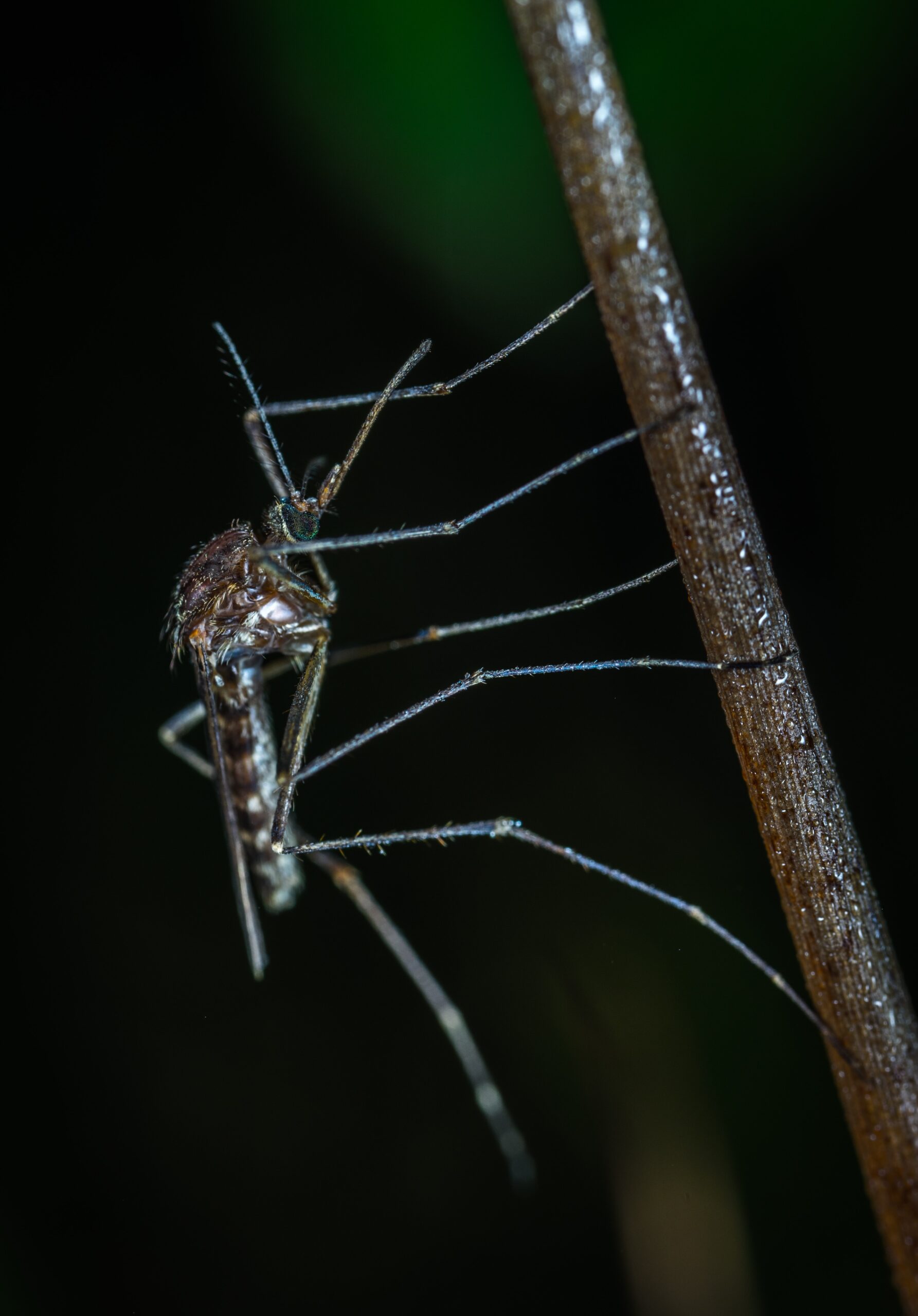
Mosquitoes
Description:
Mosquitoes are small, flying insects that are known for their ability to bite and feed on the blood of animals, including humans. There are over 3,500 species of mosquitoes worldwide, with different species found in different parts of the world. Mosquitoes are found in almost every part of the world, but are particularly prevalent in warmer climates.
Identification:
Mosquitoes have long, thin legs and wings, and a long, narrow body. They are usually gray or brown in color and can range in size from a few millimeters to over a centimeter in length. Mosquitoes are easy to identify by their characteristic long proboscis, which they use to suck blood.
Habitat and Behavior:
Mosquitoes require standing water to breed, and are often found near ponds, lakes, marshes, and other bodies of water. They are most active during dawn and dusk, and prefer to rest in cool, dark areas during the day. Mosquitoes are attracted to heat, moisture, and the carbon dioxide in exhaled breath.
Dangers and Risks:
Mosquitoes are known to transmit diseases such as malaria, dengue fever, Zika virus, and West Nile virus. These diseases can be serious, and in some cases, even life-threatening. Mosquitoes can also cause skin irritation and allergic reactions in some people.
Prevention and Treatment:
To prevent mosquito bites and reduce the risk of disease transmission, it is important to use mosquito repellent, wear protective clothing, and avoid outdoor activities during peak mosquito hours. It is also important to eliminate standing water around the home, including in flowerpots, buckets, and other containers. If an infestation does occur, it is recommended to seek professional pest control services to eliminate the problem and prevent future infestations. Treatment options may include mosquito traps, insecticide sprays, and larvicides.
SEND US A MESSAGE
CONTACT INFORMATION
5th Floor, Bloukrans Building Lynnwood Bridge Pretoria 0081
(+27) 69 868 0859
Do you have questions about how we can help your company? Send us an email and we’ll get in touch shortly.